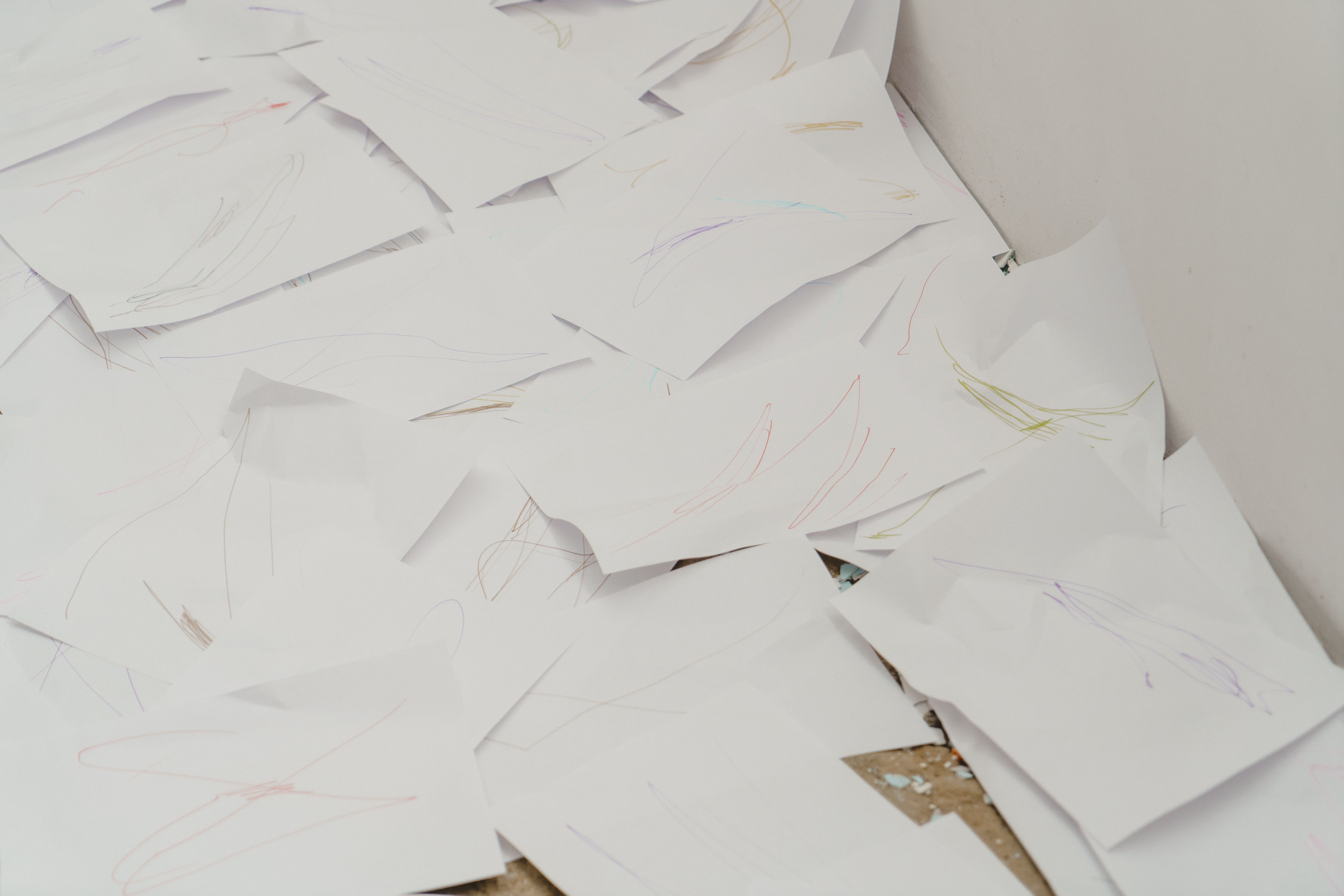
Sukhumpribor factory made ballpoint pen tips. Fabrika Oktyabr produced technical grades of paper. Both are gone—only the names of the workshops and a few machines remain. Along with them disappeared the tactility of pen meeting paper, replaced by other ways of recording meaning and memory.
In their place, two communities grew: SKLAD_ in Sukhum and NoNameForNow in Moscow. The contexts they inhabit are fundamentally different. Sukhum is a city where the consequences of war have lasted for decades: international isolation, limited cultural infrastructure, the ground itself never quite stable. SKLAD_ was built and survives through the solidarity of cultural workers. NoNameForNow operates along similar lines—working to close the distance between artists, curators and audiences through experiment and collaboration.
When uncertainty becomes the background rather than the exception, horizontal connections are not a stance but a practice of survival. Yours. Full Stop—the first joint exhibition project between an Abkhazian and a Russian self-organised space—came about exactly this way: through direct contact. Yours. Full Stop.
The exhibition is the outcome of a joint residency held between March and May 2026. The artists explored the past and present of both factories, engaged with their archives, and asked questions about the nature of trace and memory: what happens when the tools and means of recording transform? How do we write our memory now? Is the absence of a physical trace simply emptiness?
Although each artist approached the subject differently, all the works together form a single poetic statement about attentiveness, trace and connection.
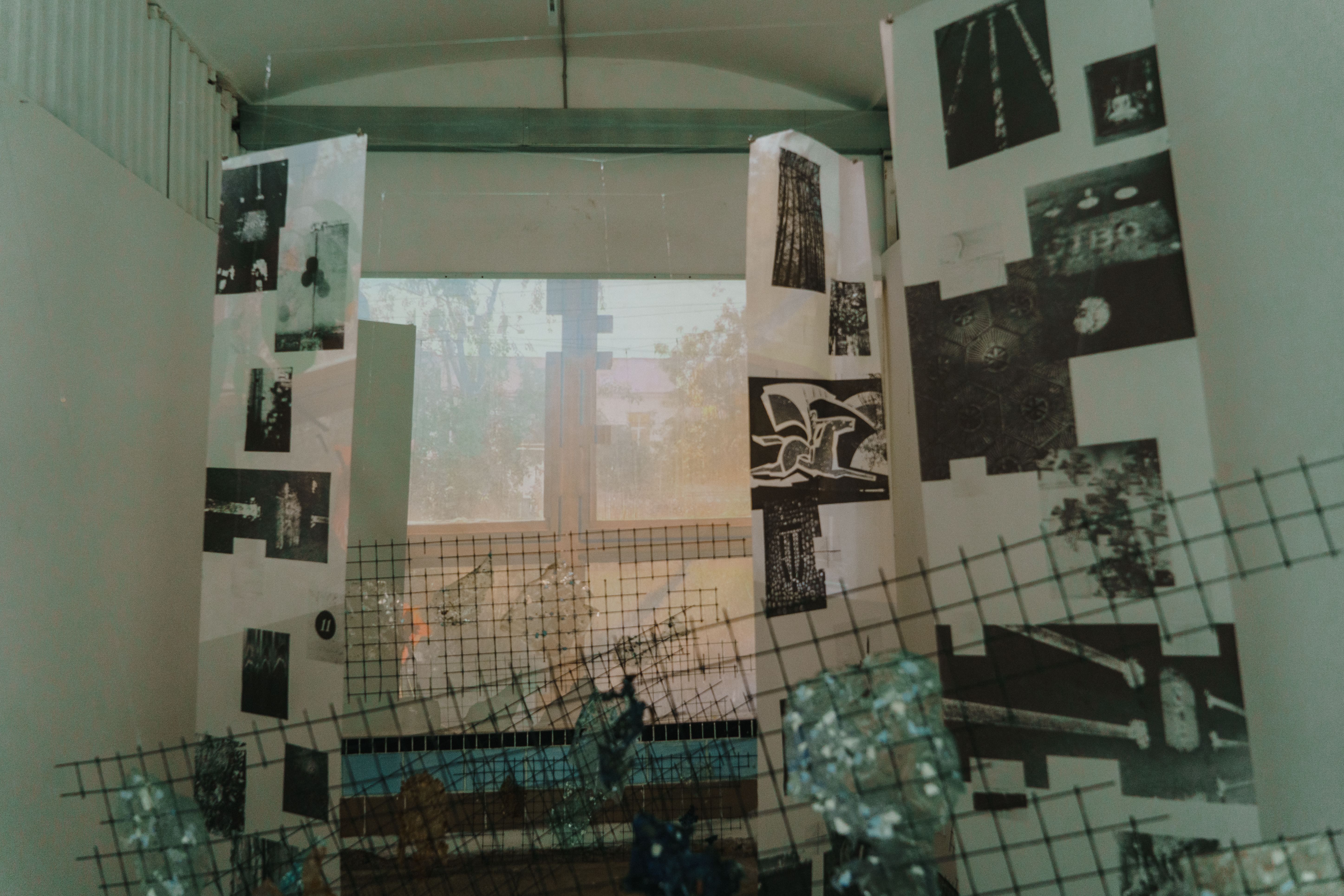
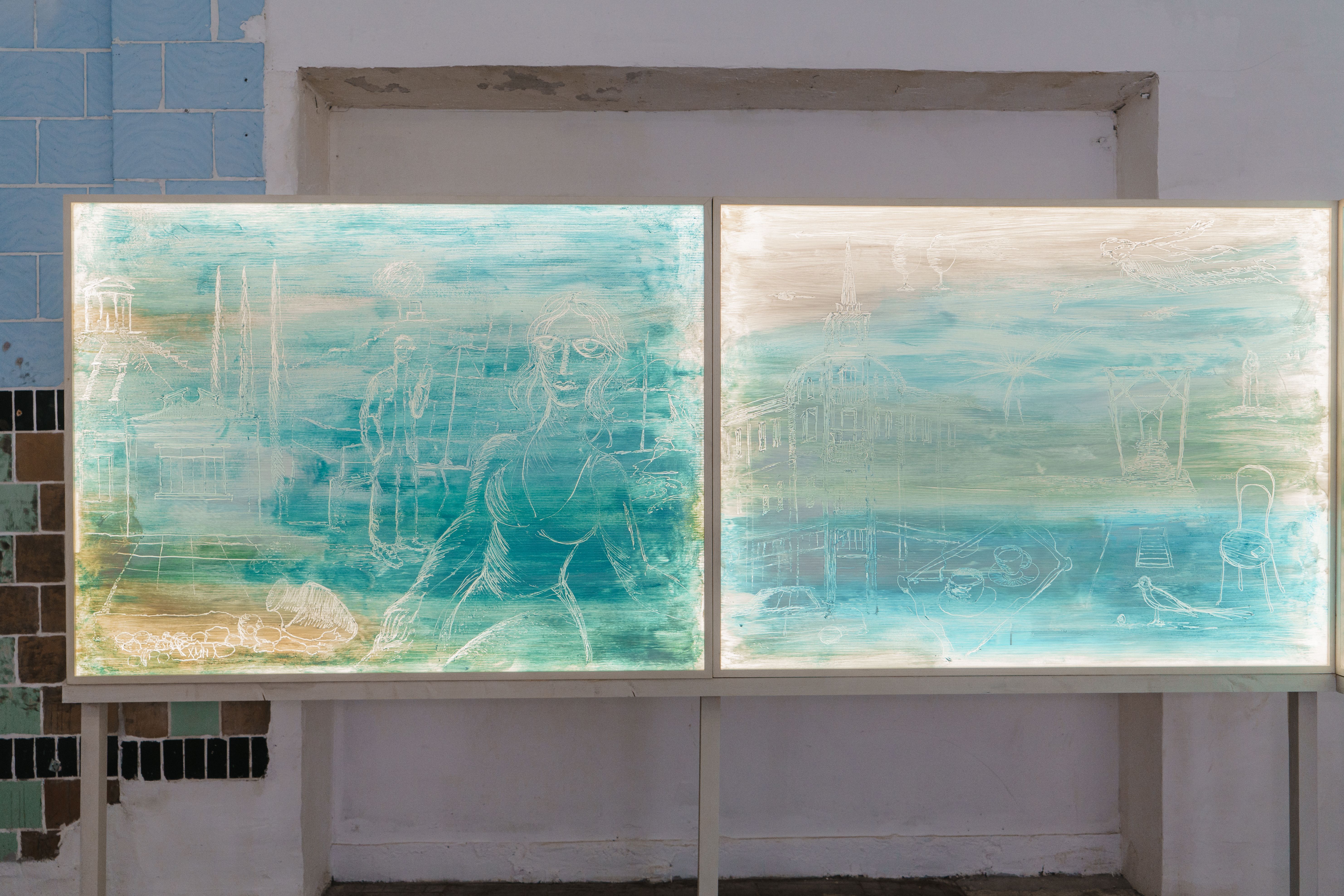
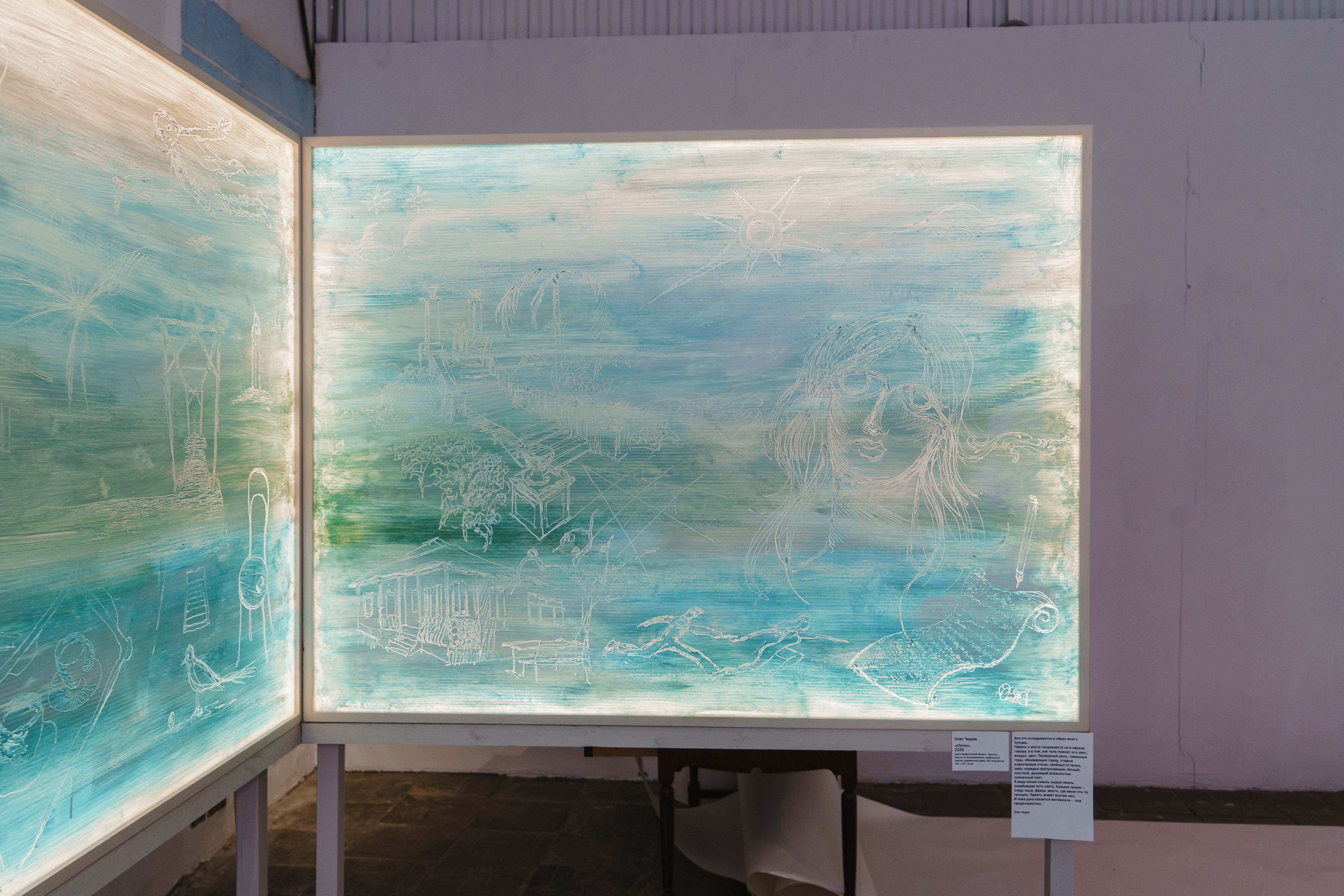
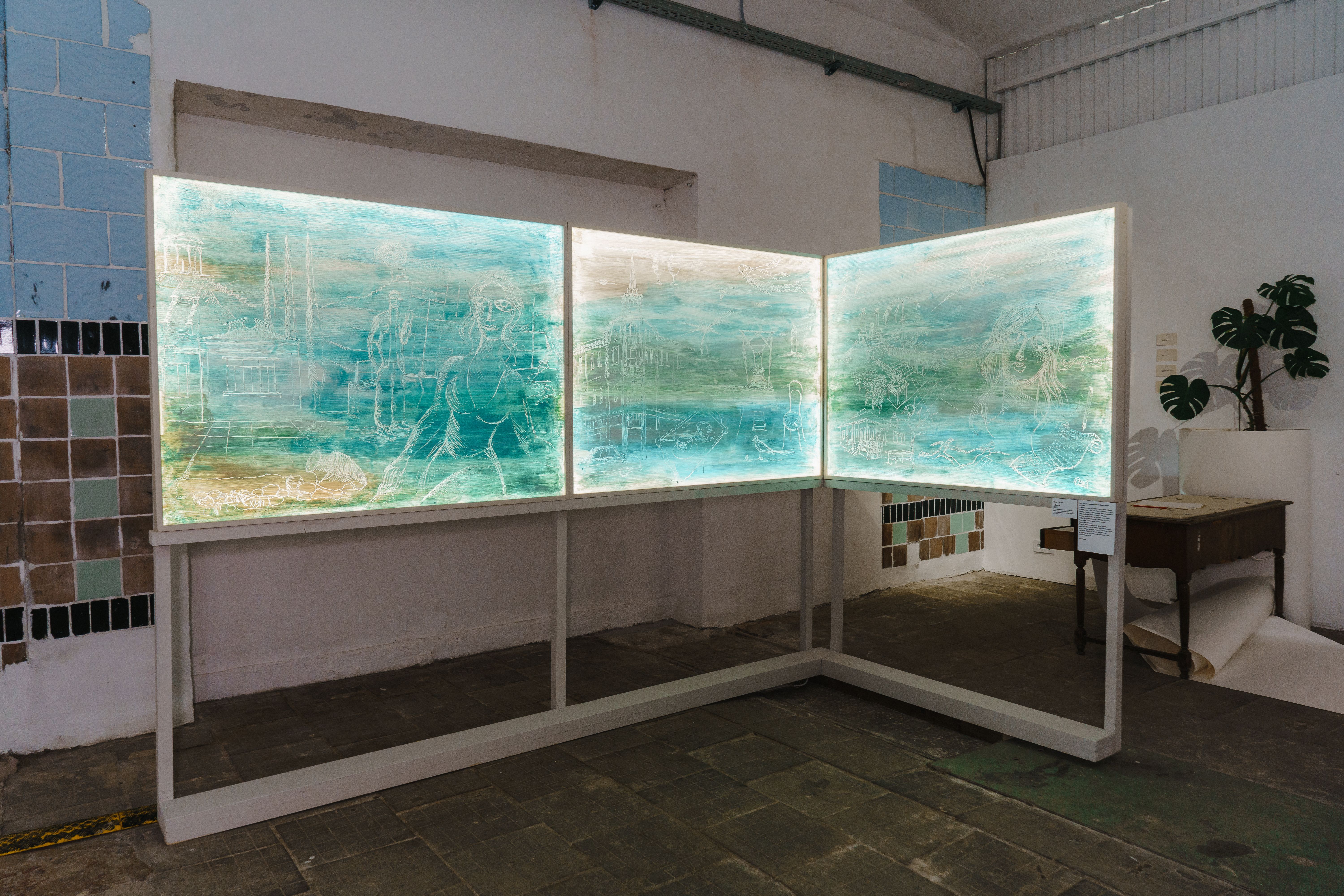
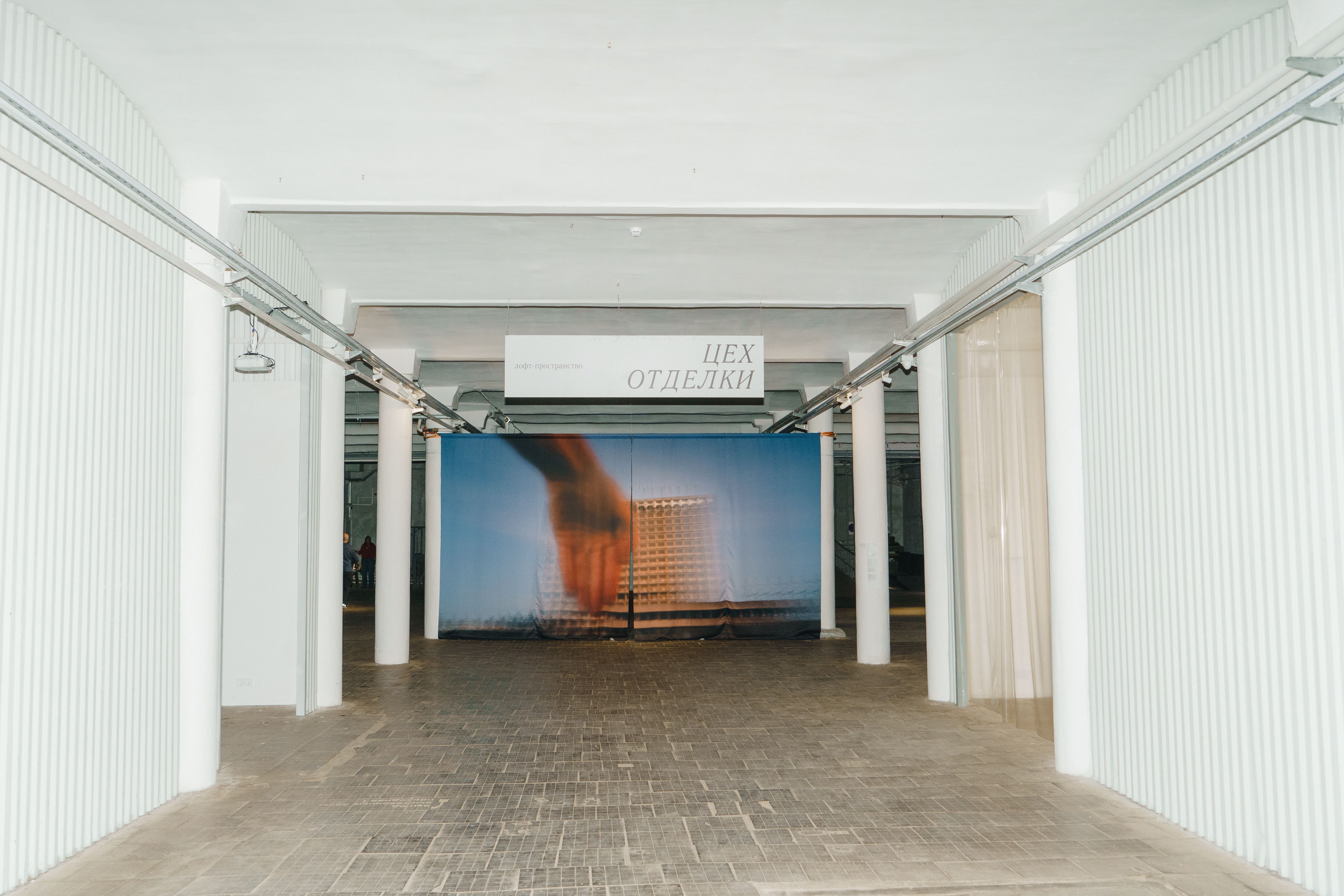
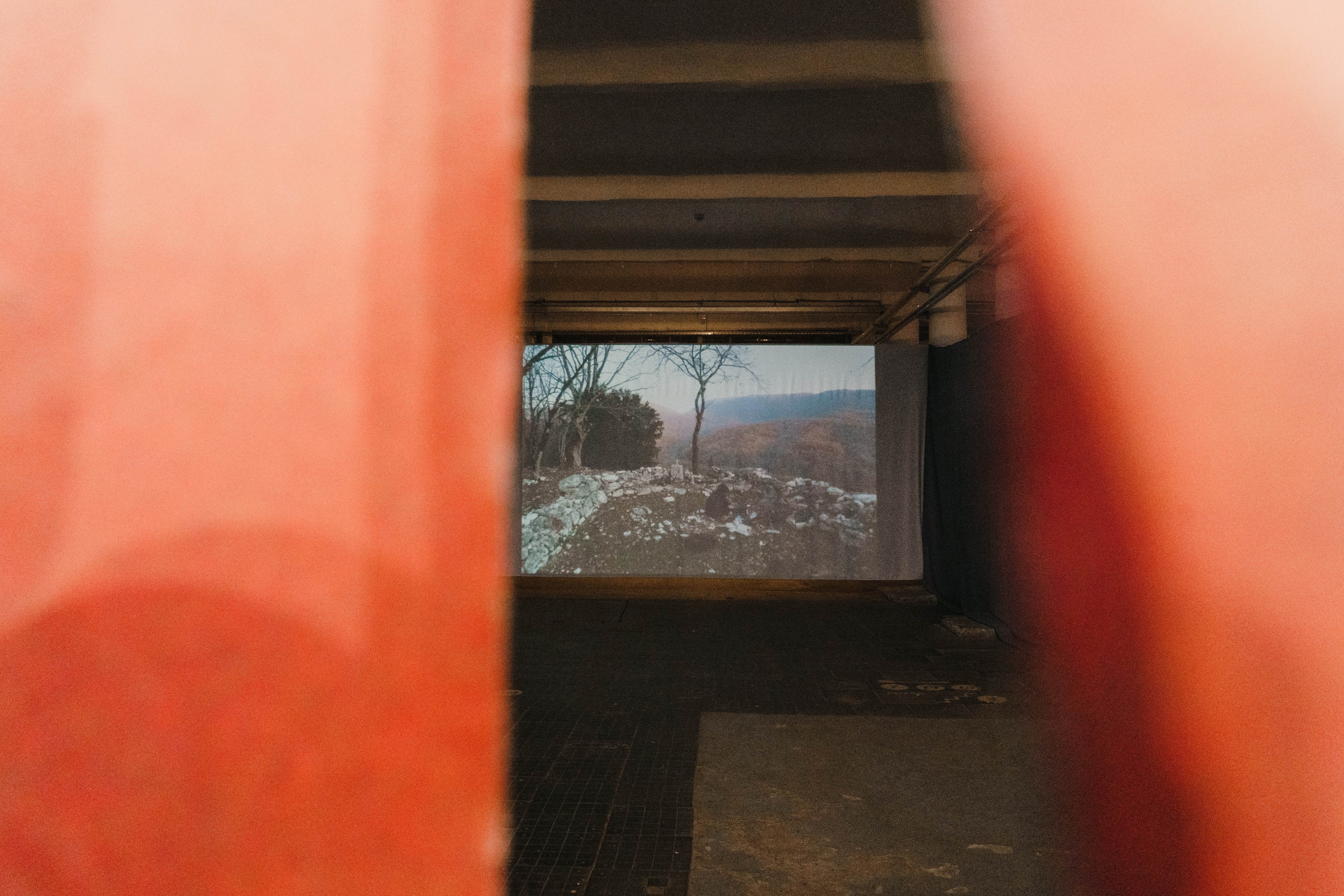
Some artists work with optics and physical distance, making the other city tangible. Oleg Chedia uses transparent polycarbonate—the material of the windows at SKLAD_ today—to let the viewer at Fabrika glimpse Sukhum through a softened light, the kind that belongs to personal memory. Dima Filippov places himself against the post-war landscape through photography and assembles video footage shot during walks with the SKLAD_ team through Abkhazia in 2022.
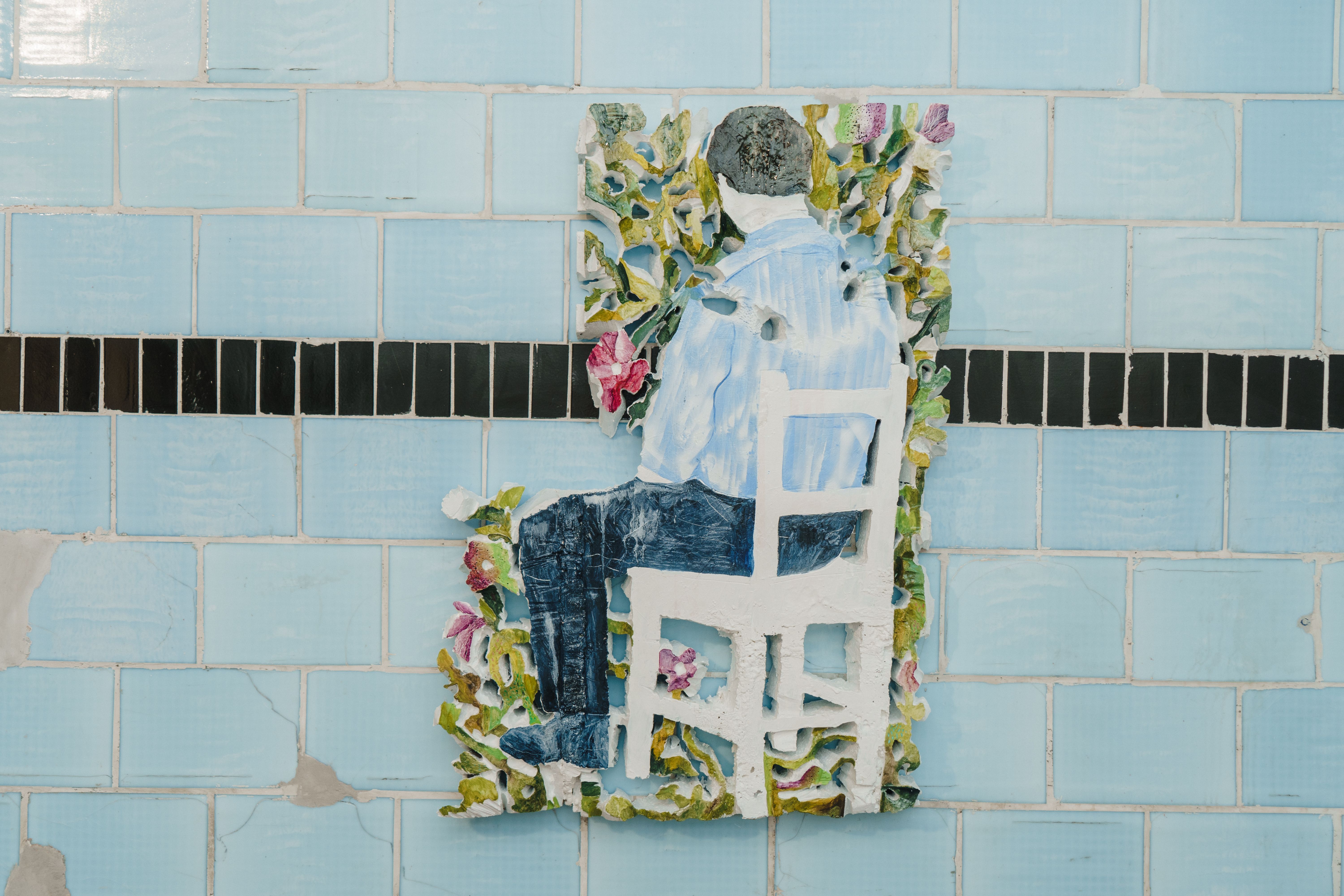
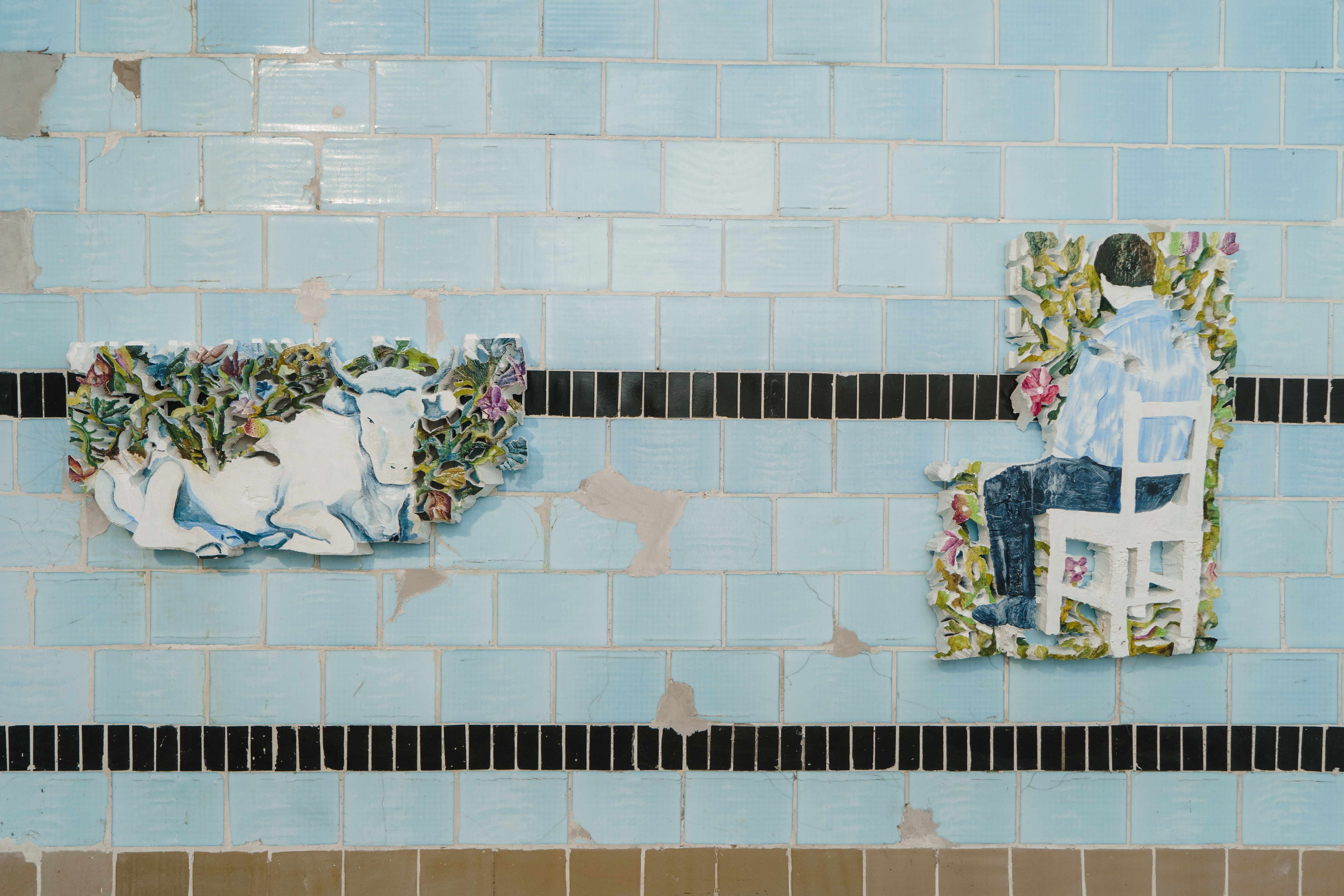
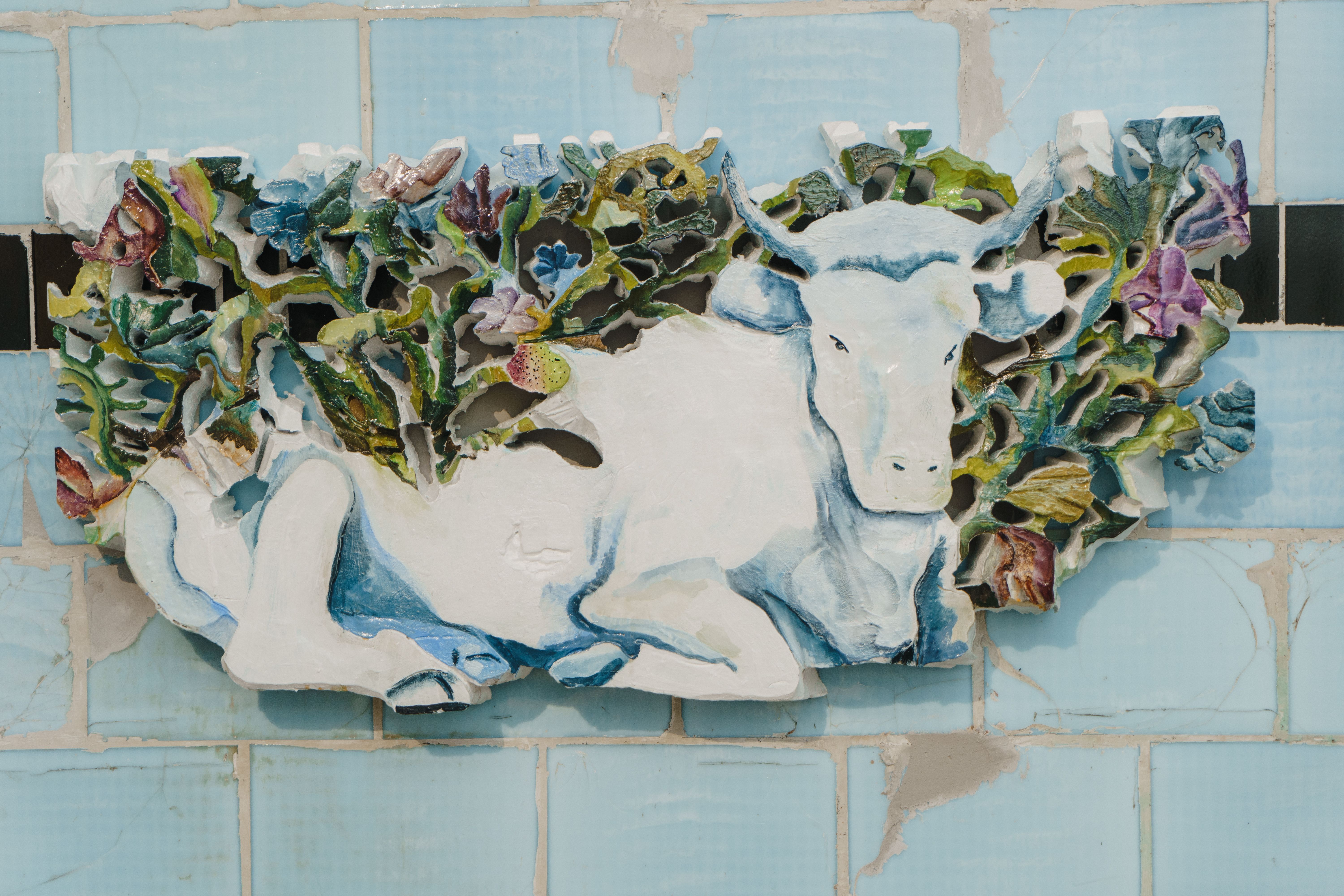
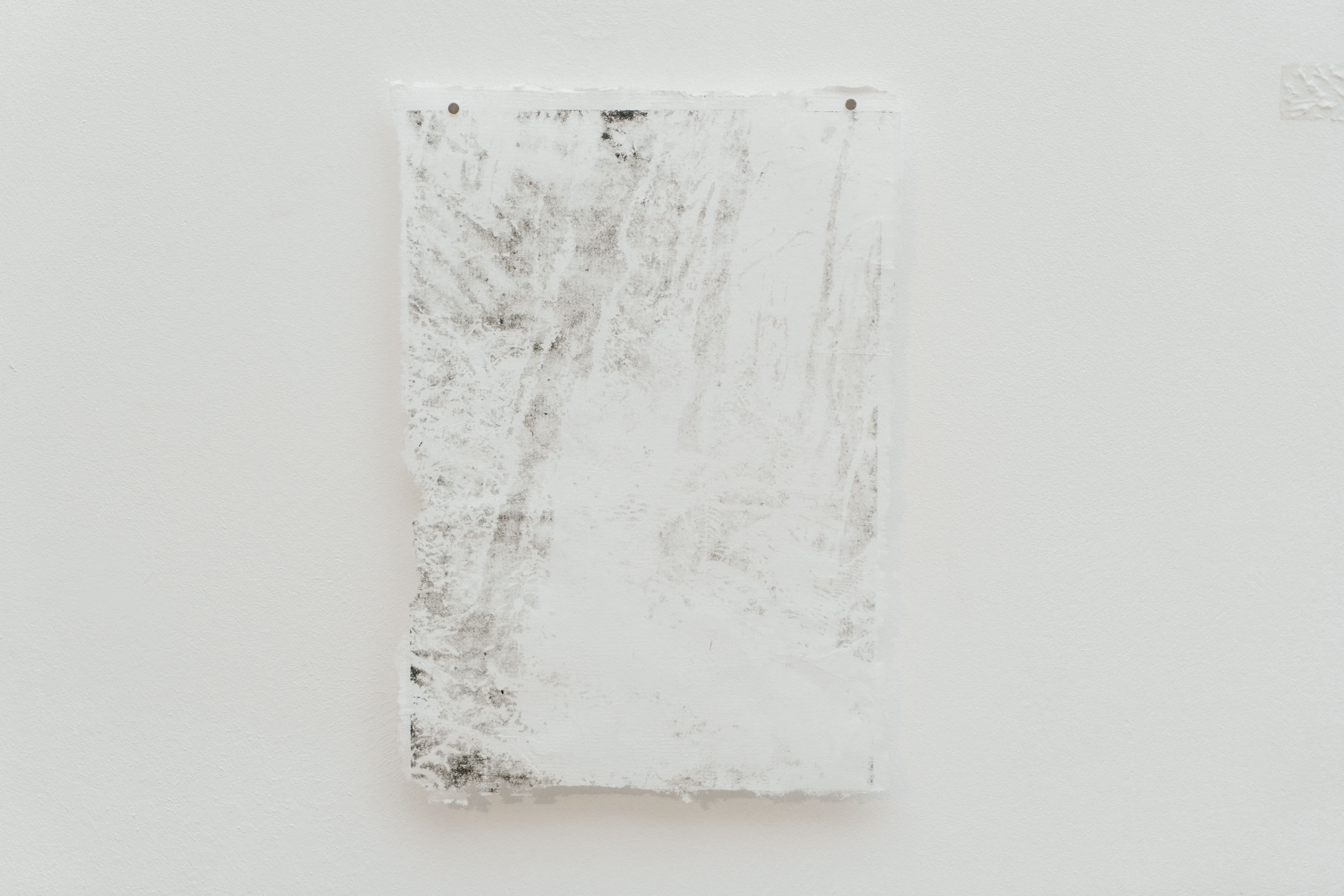
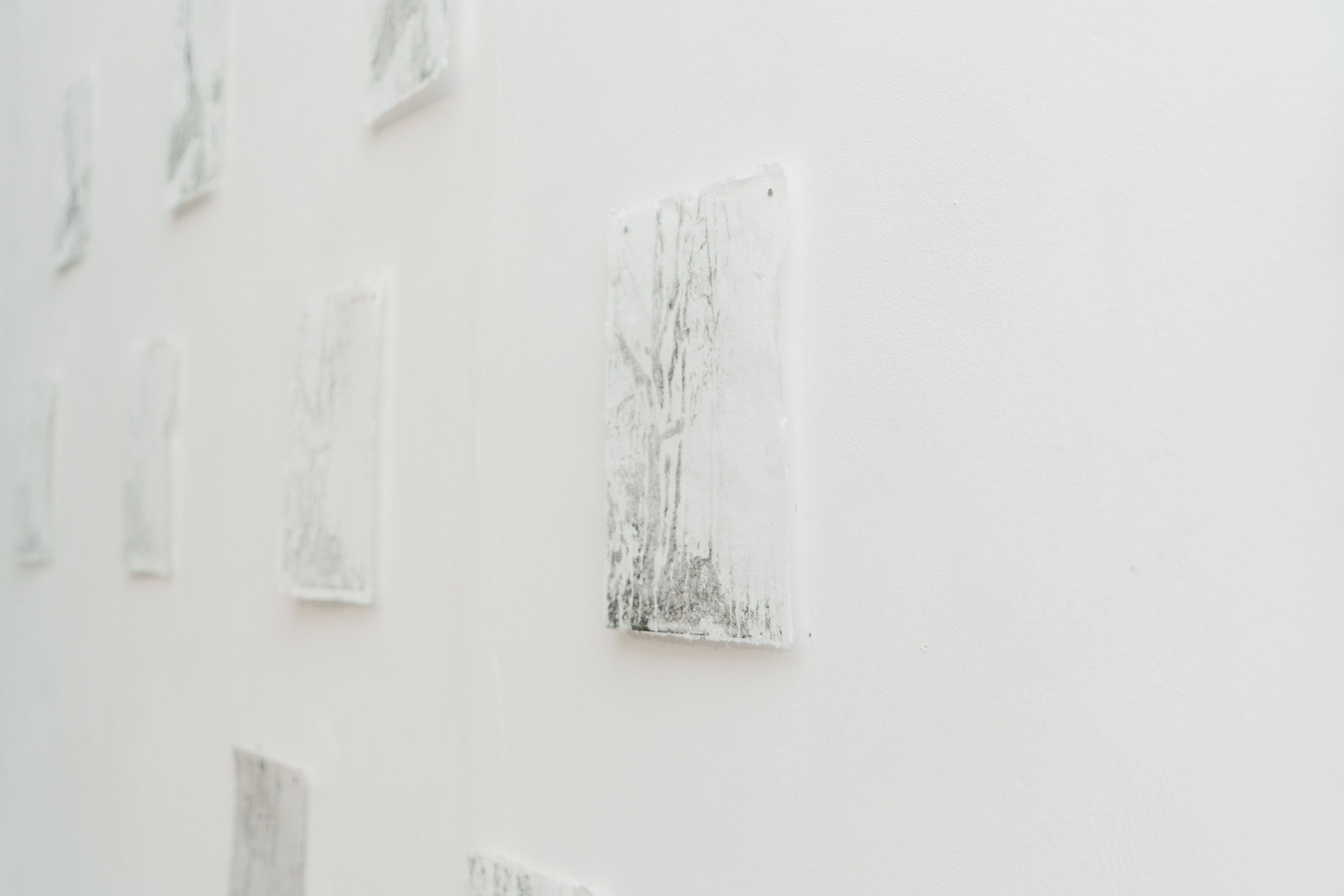
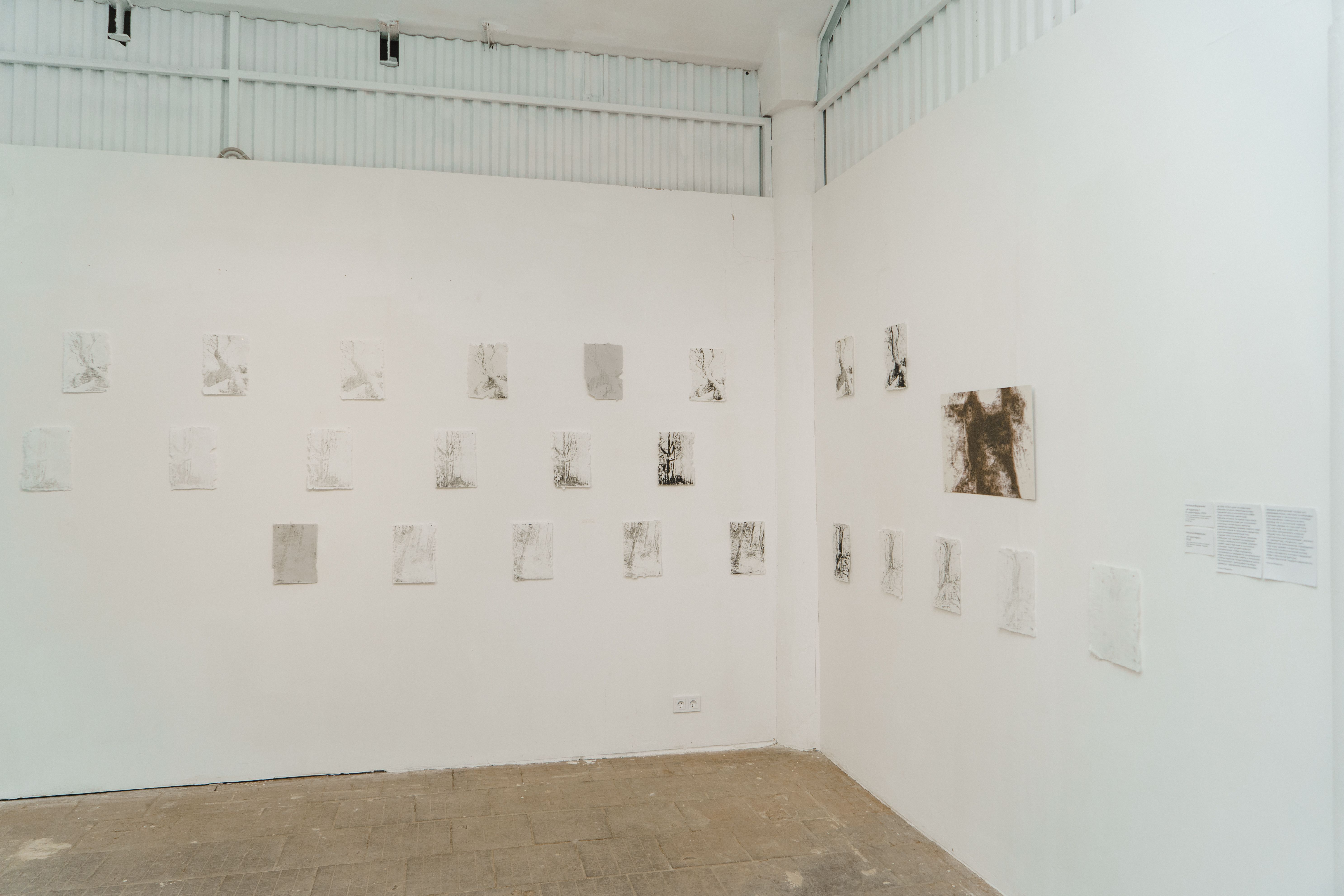
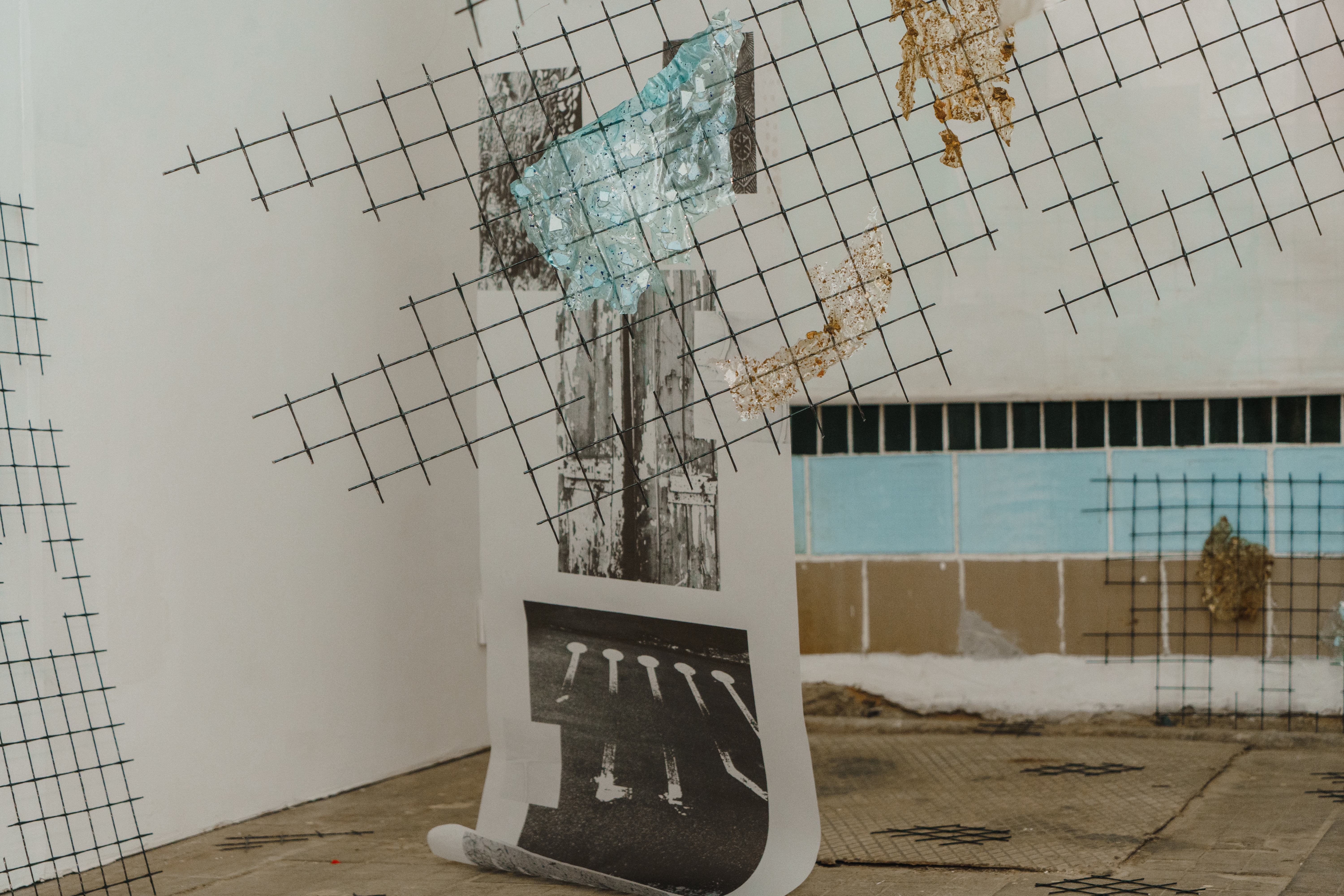
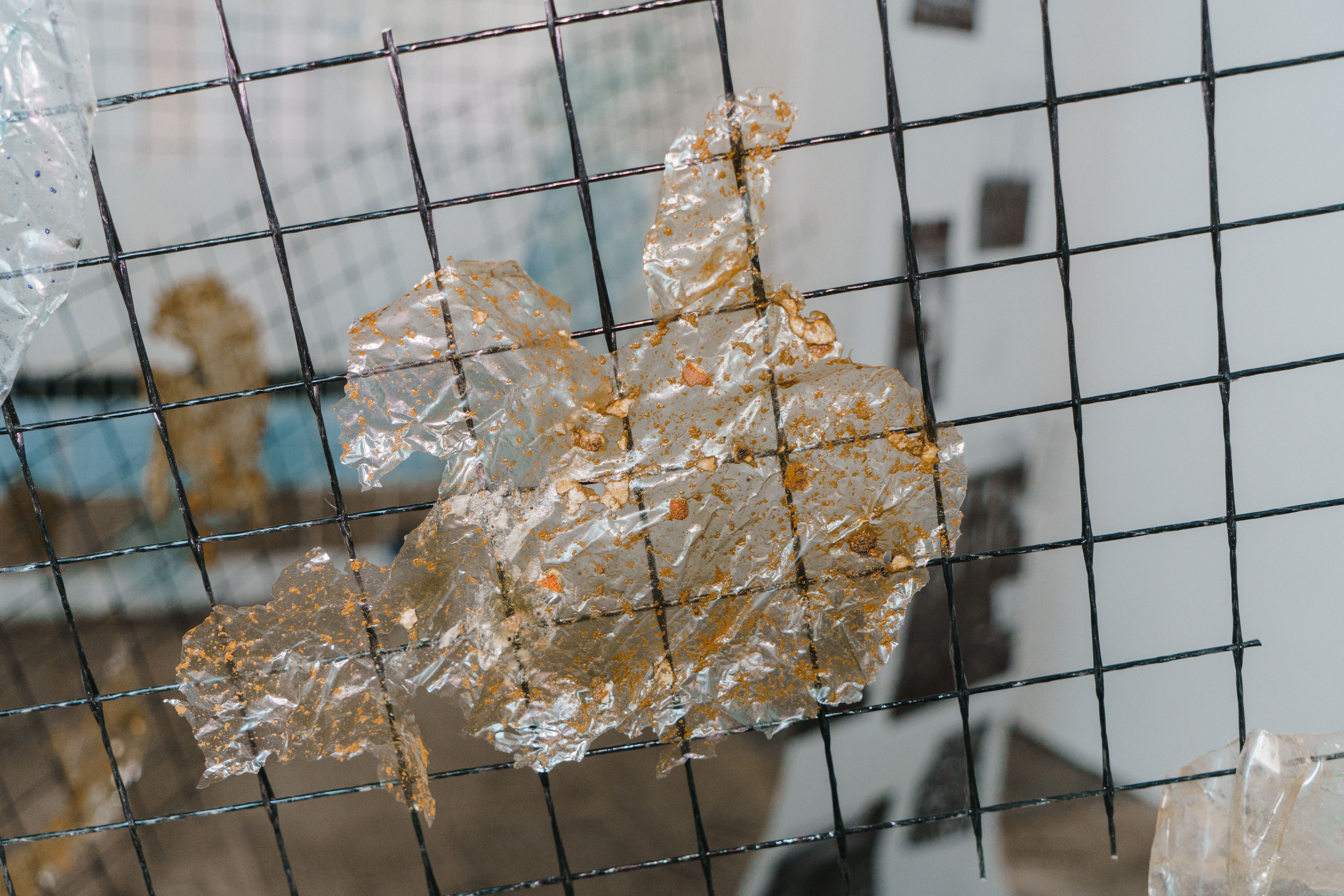
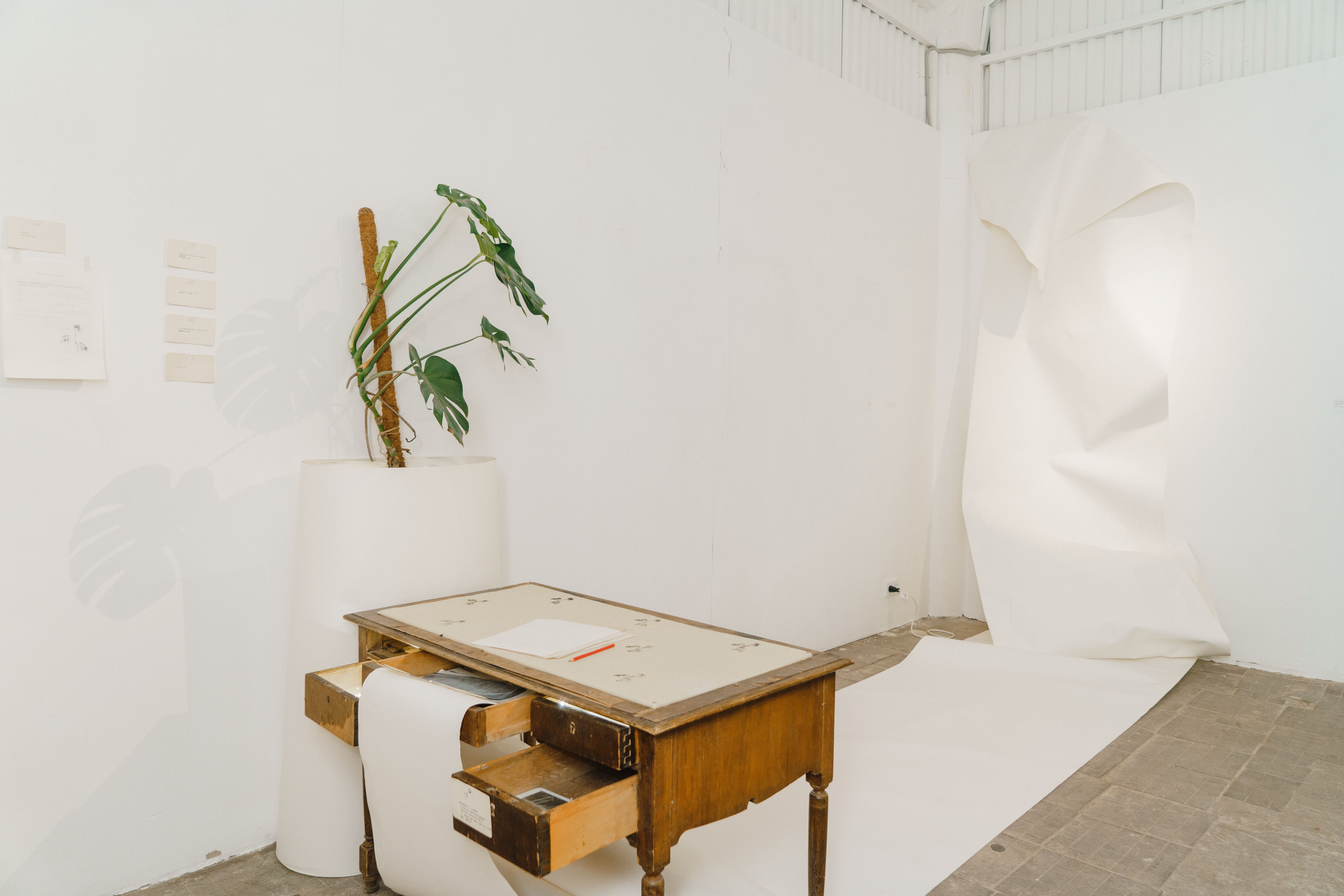
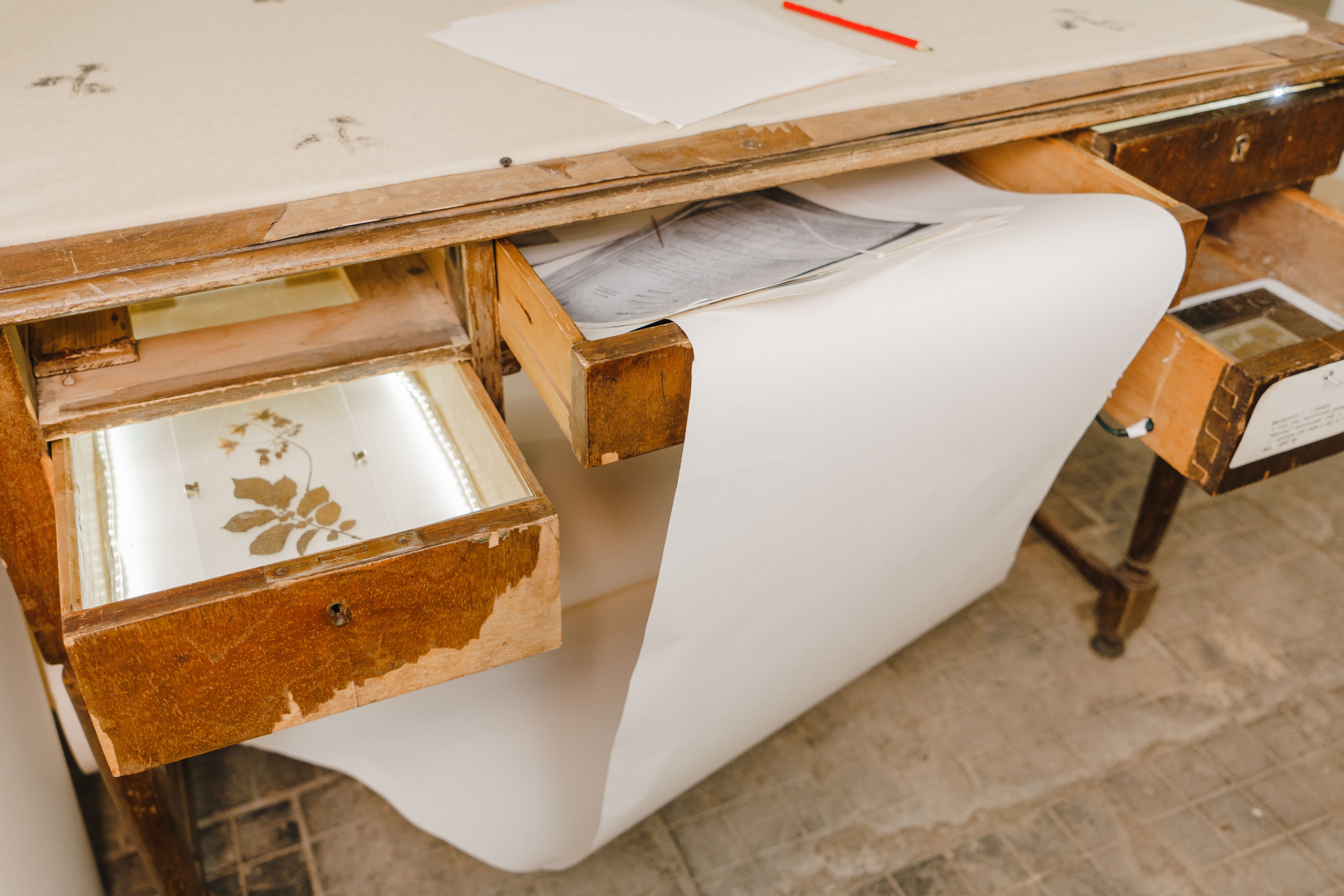
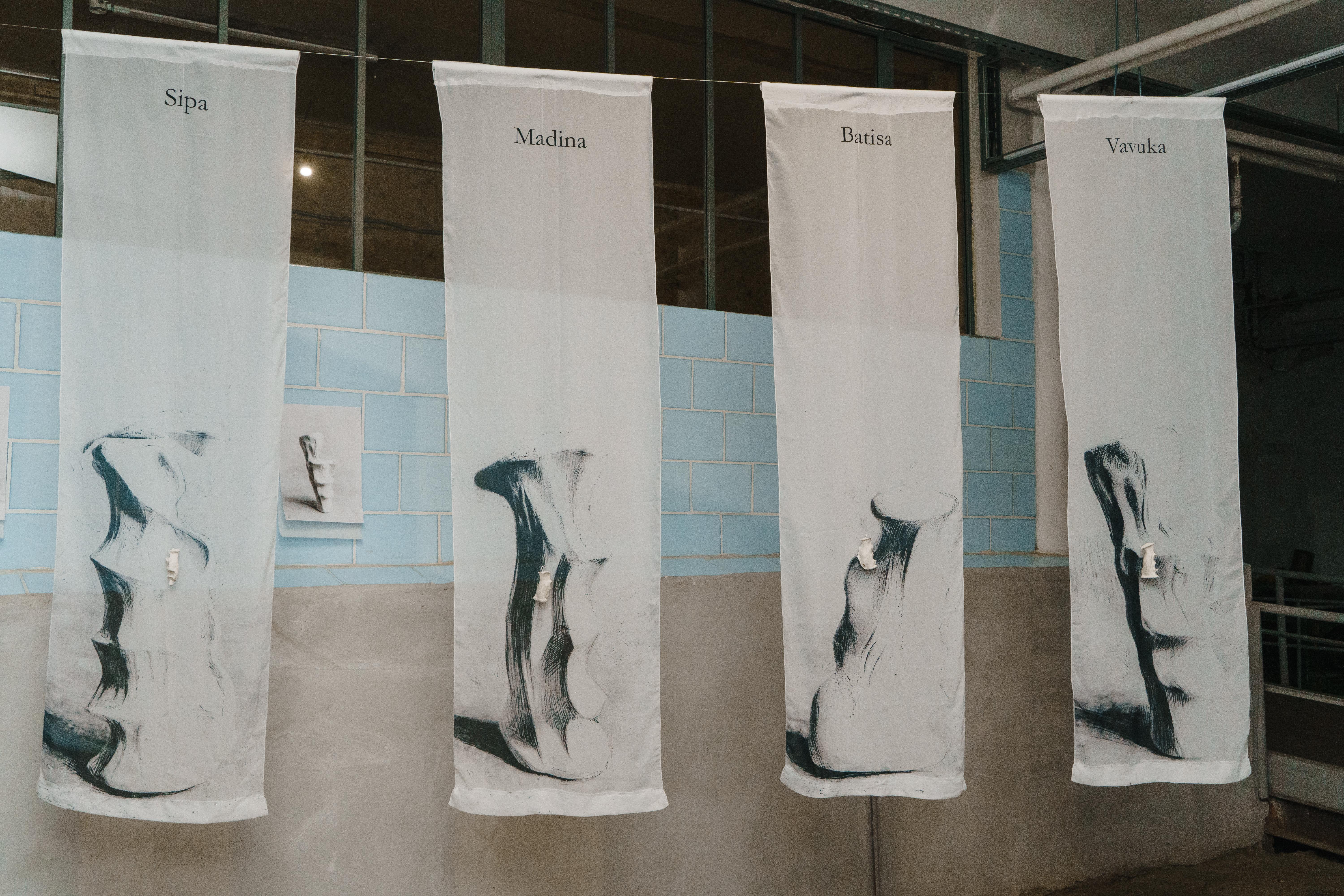
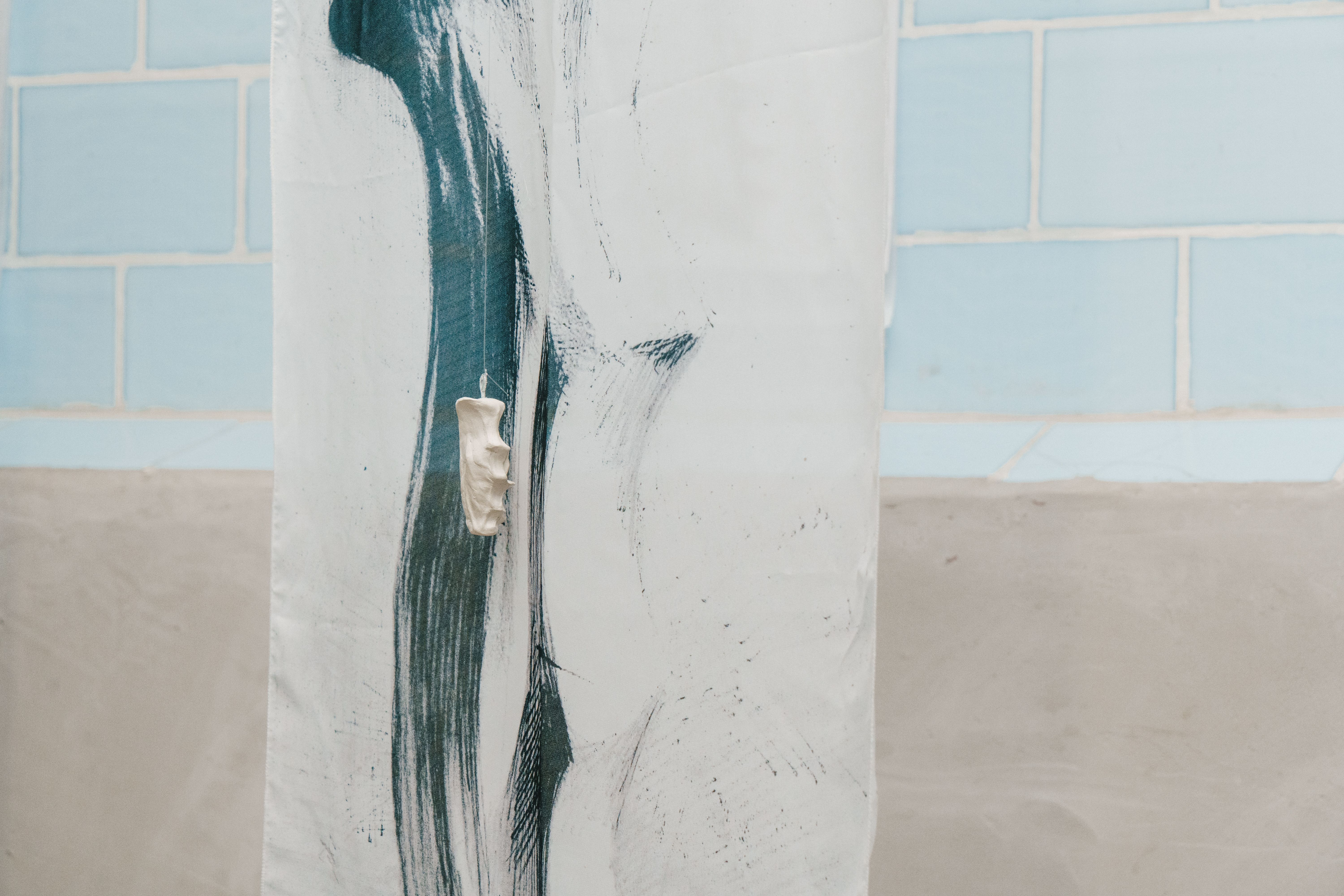
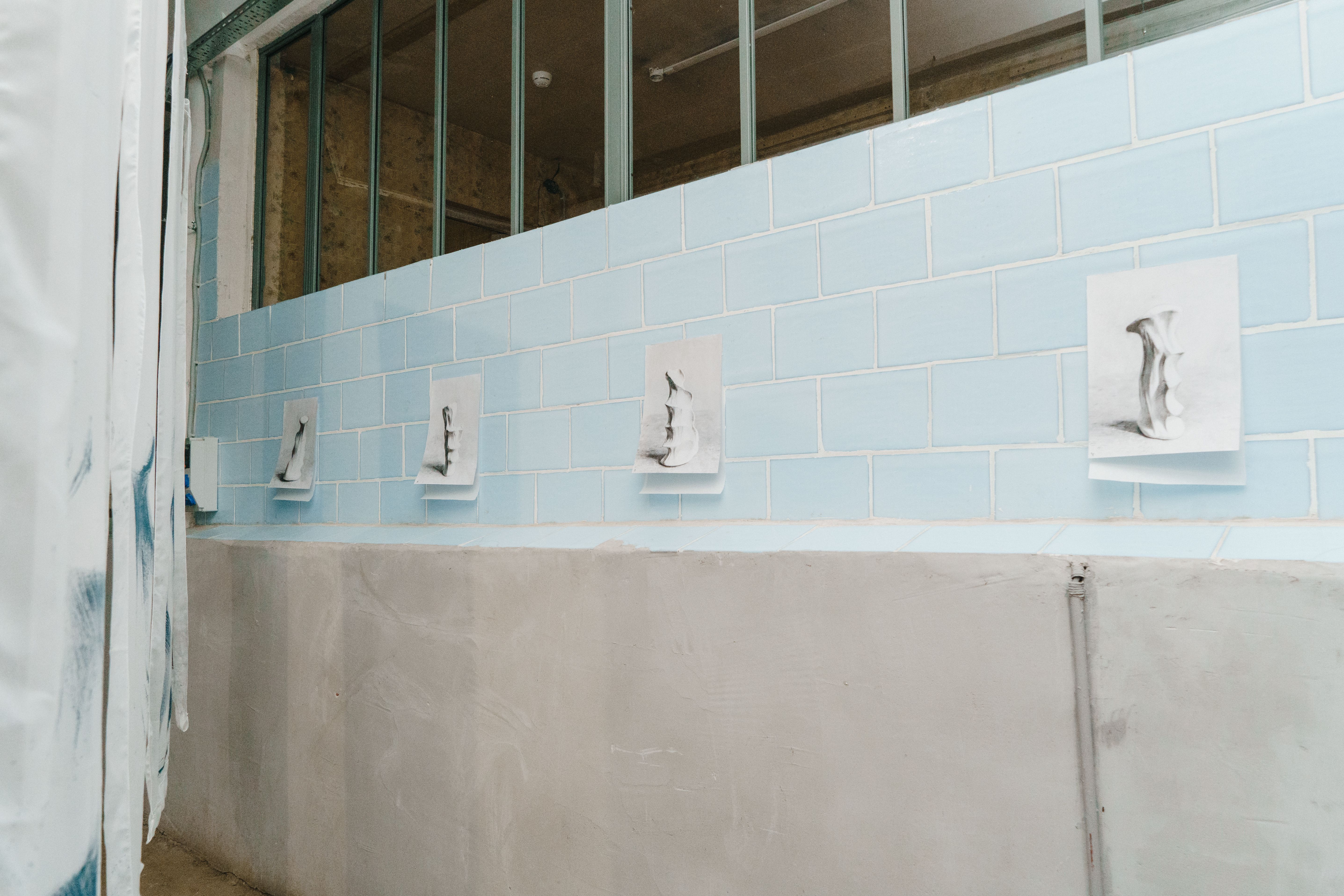
For others, the instability of the material trace becomes the primary instrument. Oksana Vinogradova's installation Shift of Touch layers sheets of bioplastic—through which the viewer moves—with plaster particles and artefacts gathered from both factories, along with cyanotypes of documentary images. Mari Sokol worked with the Fabrika archives and in Not a Single Object looks at ordinary paper through a potato flower—an unexpected trace found in production documents from 1958. Natalia Madilyan makes disappearing prints of dying trees on handmade paper: each successive impression is fainter than the last. Arkhip Labakhua's sculptures and drawings place the texture of a hand pressed into clay alongside cosmic dust, reflecting on the scale of a trace.
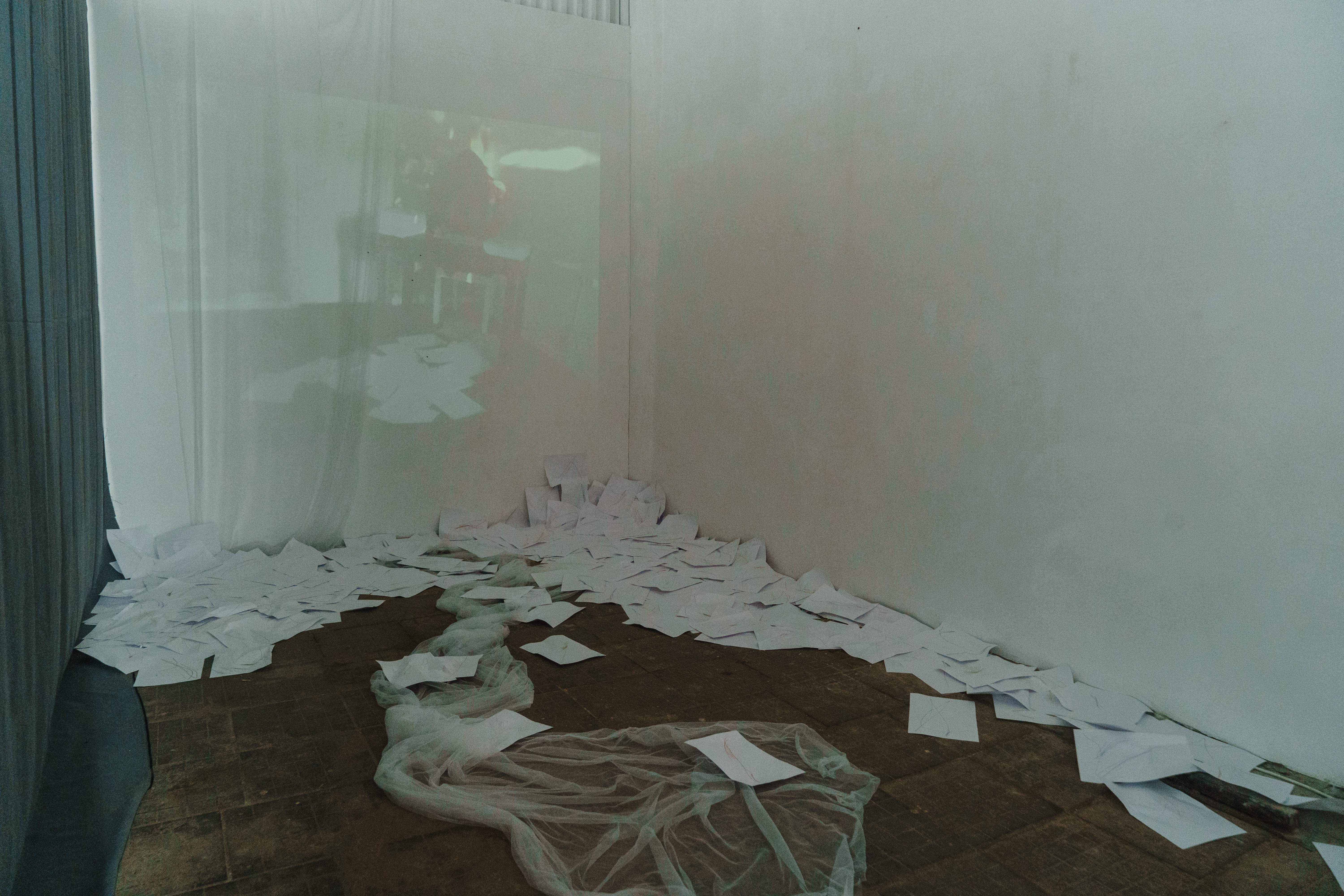
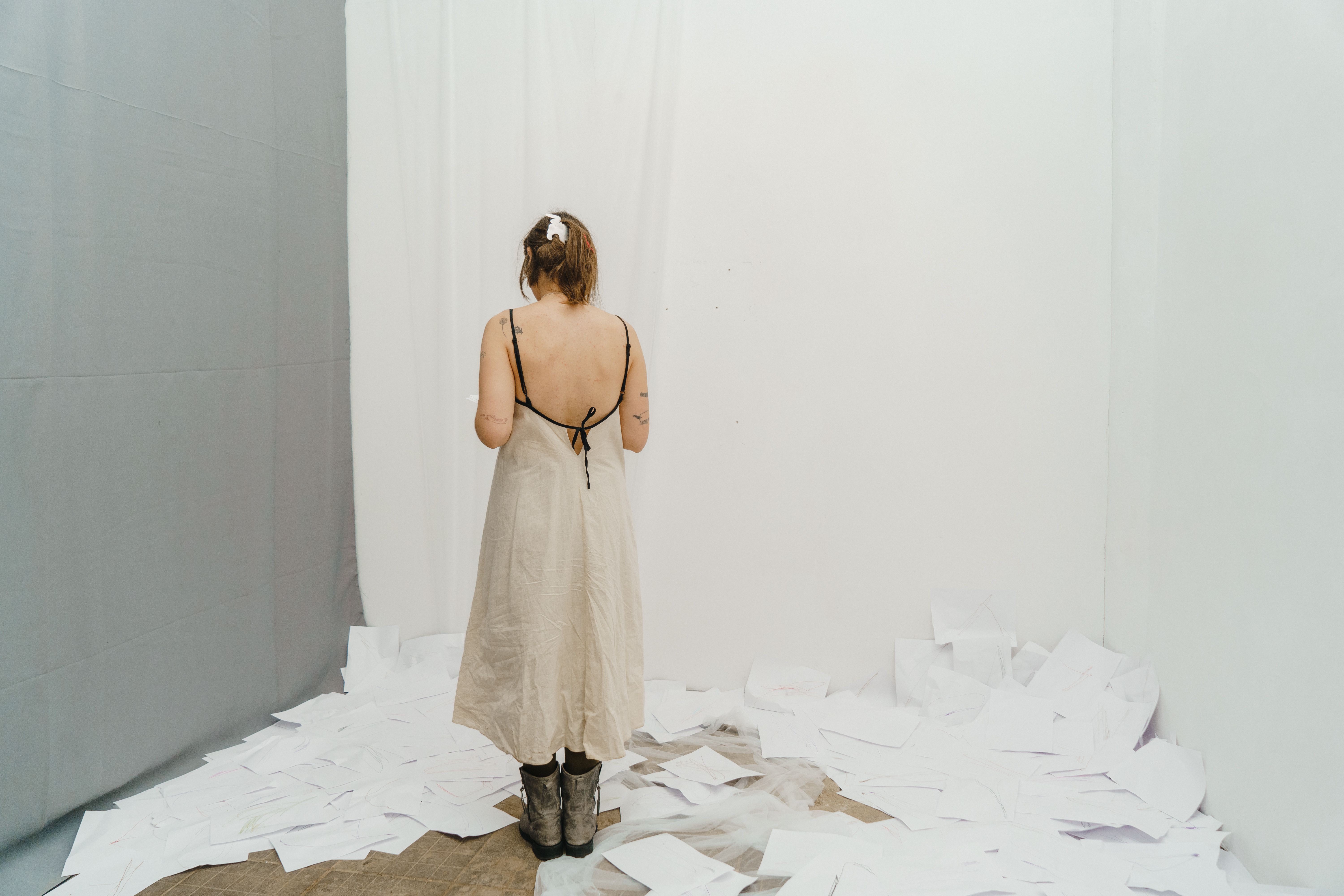
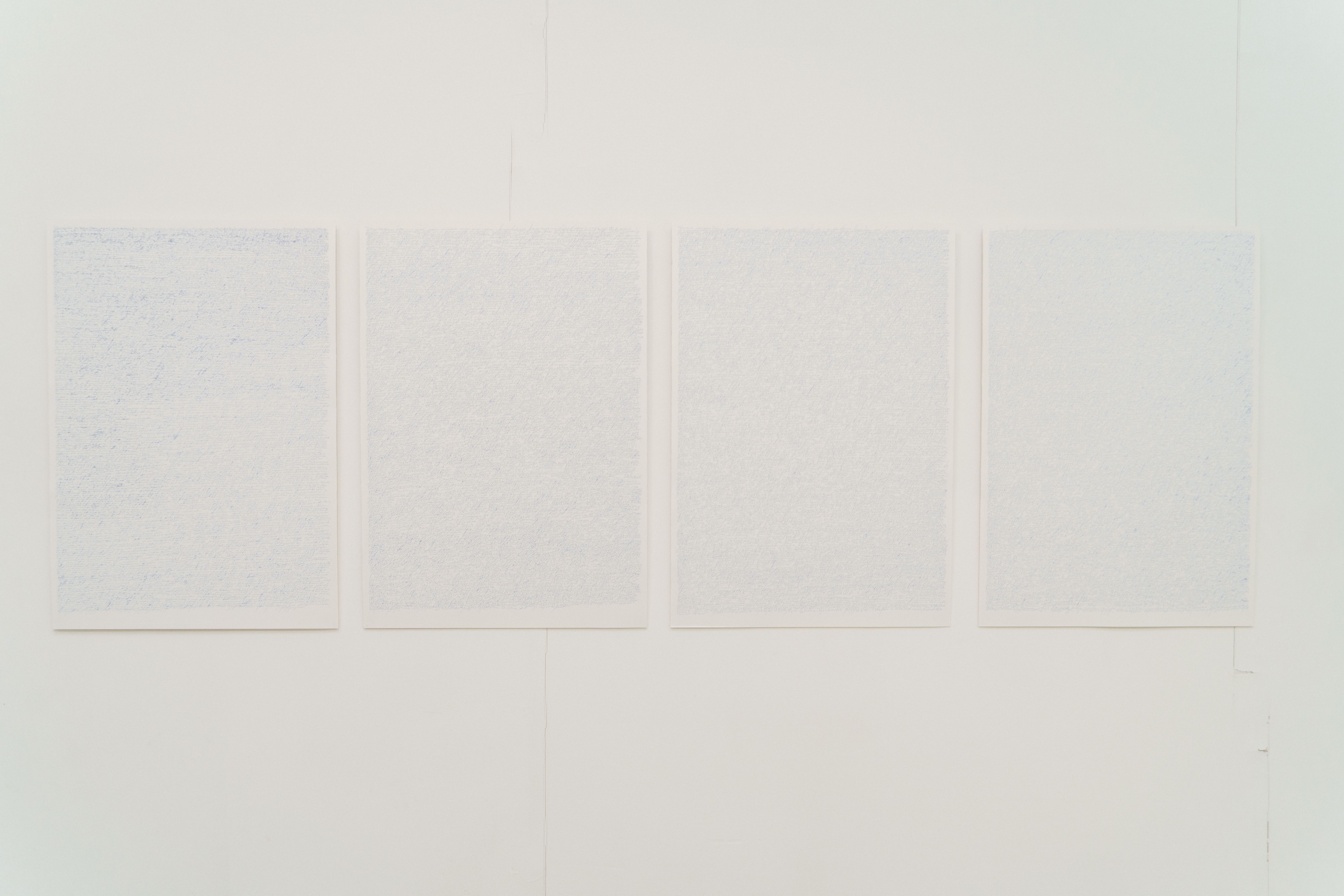
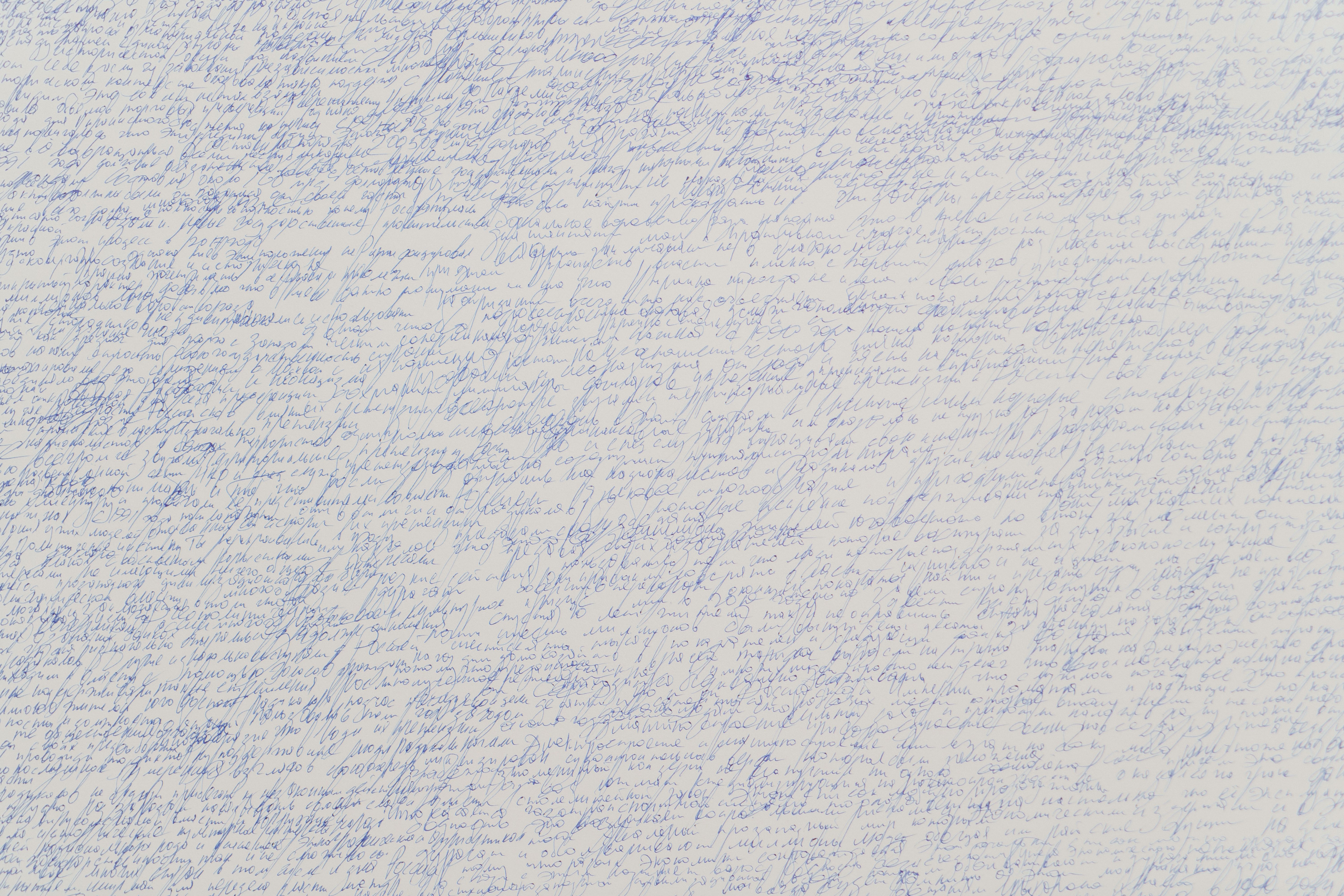
A third layer of the project concerns inner transformation and language. For Nika Lakrba, the meditative, looping contact of pen on paper becomes the moment of self-definition as an artist (performance / video installation). Danil Danot foregrounds questions about the language in which dialogue takes place (works on paper). Danakay Adleyba draws on the myth of Tristan and Isolde to reflect on the inevitability of transformation—the old space dies and something new grows through it (objects, installation).
A parallel programme of film screenings and round tables is planned as part of the exhibition.